
From June 13 to 19, 2026, faculty members from the Defense University Center at the Spanish Naval Academy, Mr. Rubén Nocelo López and D. Juan Jesús Rico Fuentes embarked on the Amphibious Assault Ship L-51 “Galicia,” coinciding with the end-of-year practical training for a group of students from the Spanish Naval Academy, including ASP1º, ASP2º, and GM2º cadets. During this period, the ship sailed from Mahón to Cartagena, allowing the faculty members to observe firsthand the operational activities and practical training received by future Navy officers.
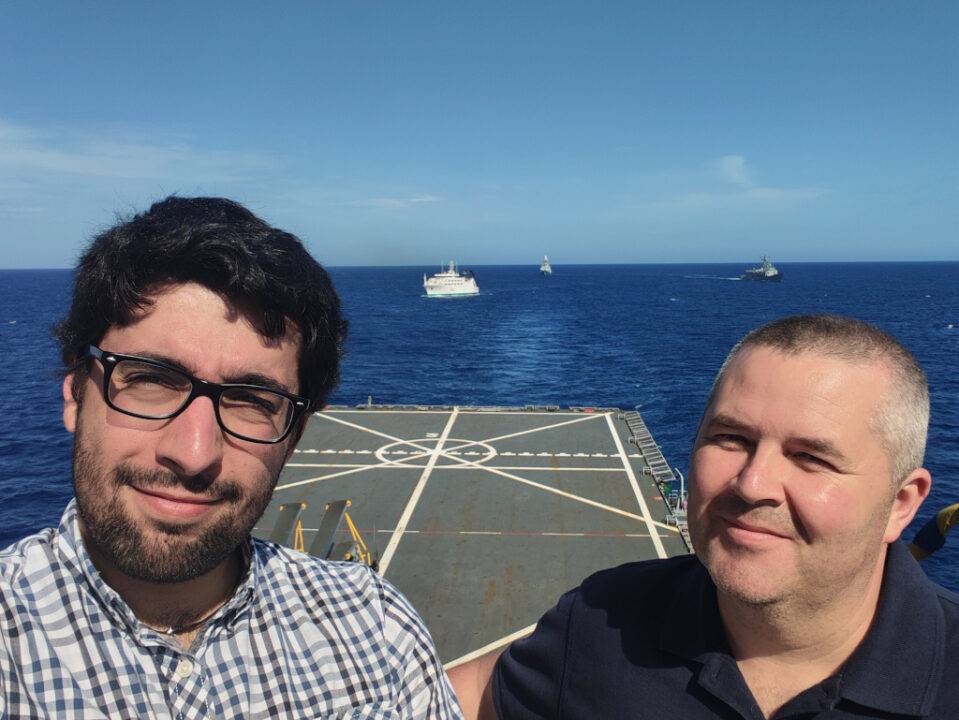
Throughout the voyage, the instructors shared daily life with the crew, officers, and students on board, participating in the various activities that make up the routine aboard the ship. This shared experience allowed them to observe how watch duties were carried out, the coordination among the ship’s different departments, and the high level of preparedness required to carry out naval operations.
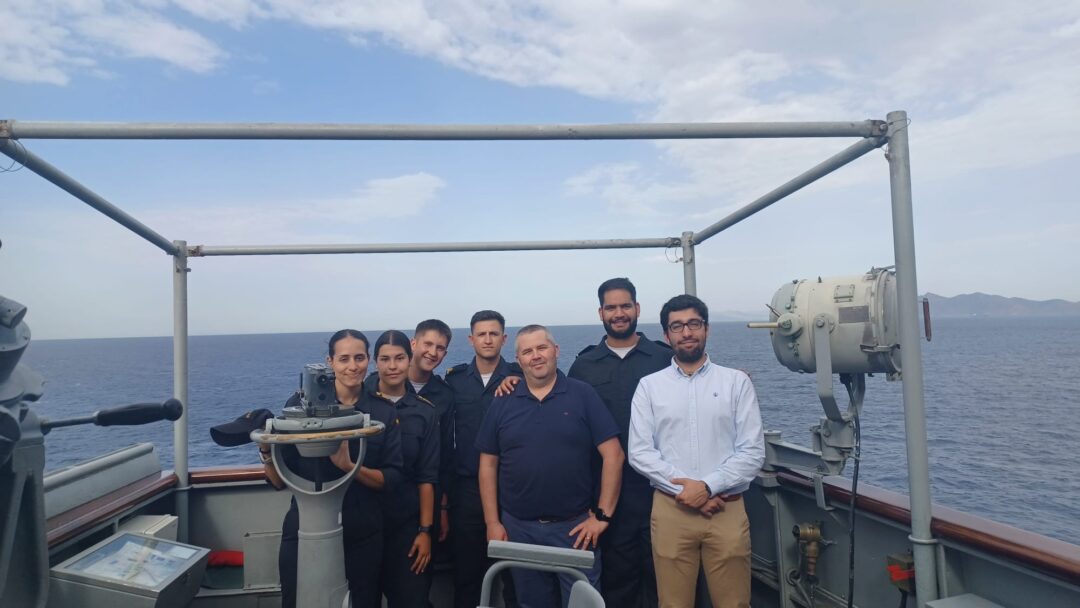
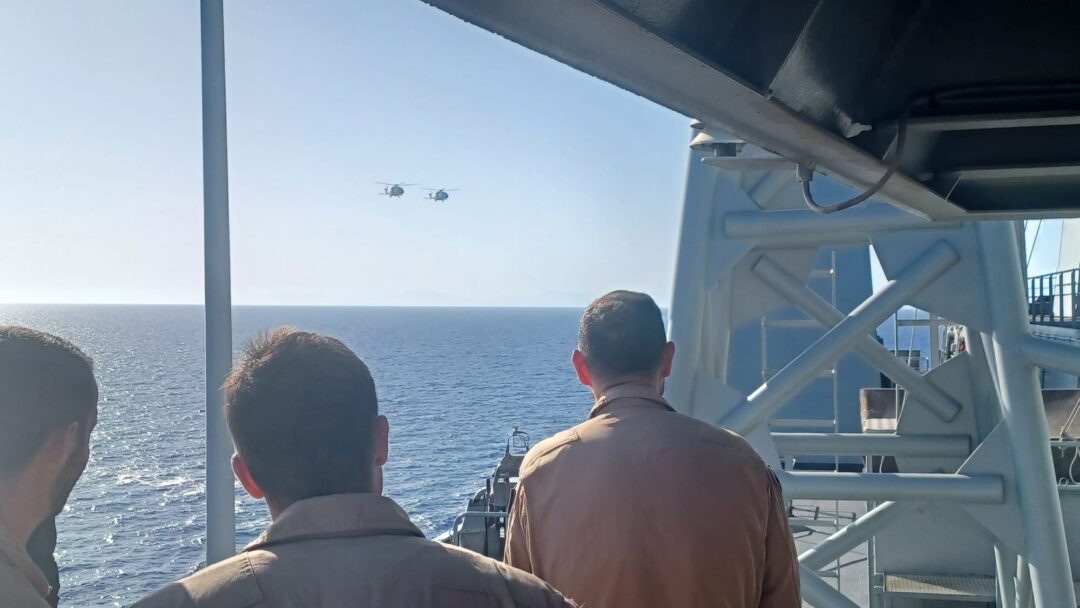
During the embarkation, the faculty members observed a variety of operational and training exercises. These included several general quarters drills, live-fire exercises, and amphibious landing operations carried out by the embarked students using the ship’s Landing Craft Mechanized (LCM). They also had the opportunity to witness the proficiency evaluation of pilots from the 14th Squadron of the Naval Air Flotilla as they conducted takeoff and landing operations with the new NH90 helicopters on Galicia’s flight deck. The exercise highlighted the close coordination between the ship’s crew and the embarked aviation units.
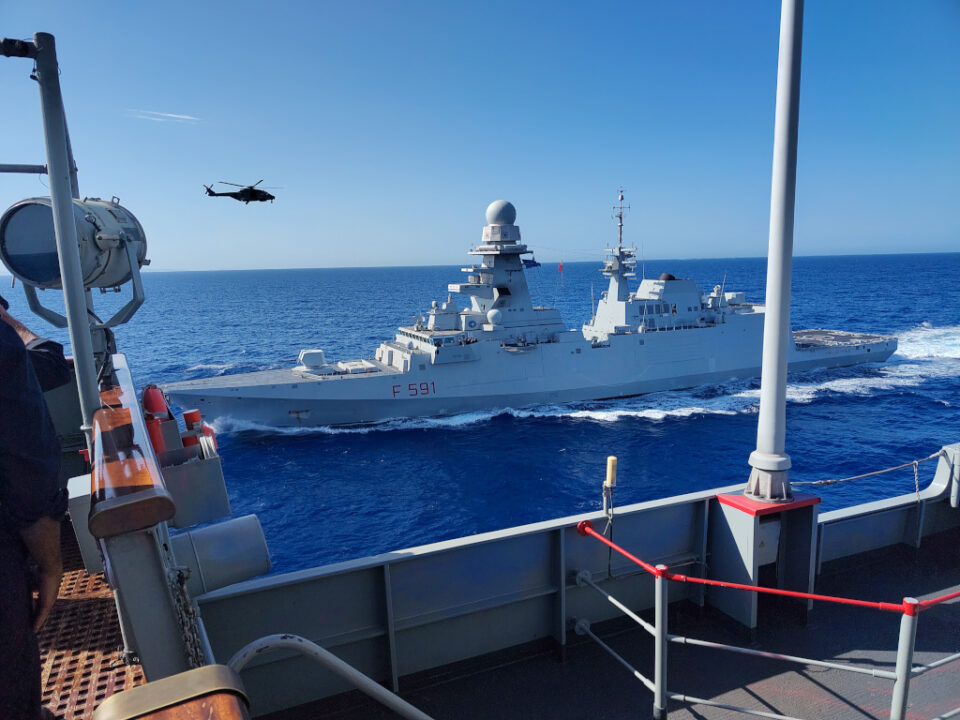
One of the highlights of the deployment was the encounter at sea with the Italian Navy ship ITS Virginio Fasan (F591), the flagship of Standing NATO Maritime Group Two, which operates in Mediterranean waters. During this encounter, various naval maneuvers and formations were conducted jointly with the frigate Victoria (F-82) and the training and fisheries cooperation vessel Intermares (A-41). These exercises provided an opportunity to observe tactical navigation procedures and coordination among units from different navies, serving as an excellent demonstration of the level of interoperability achieved on the international stage.
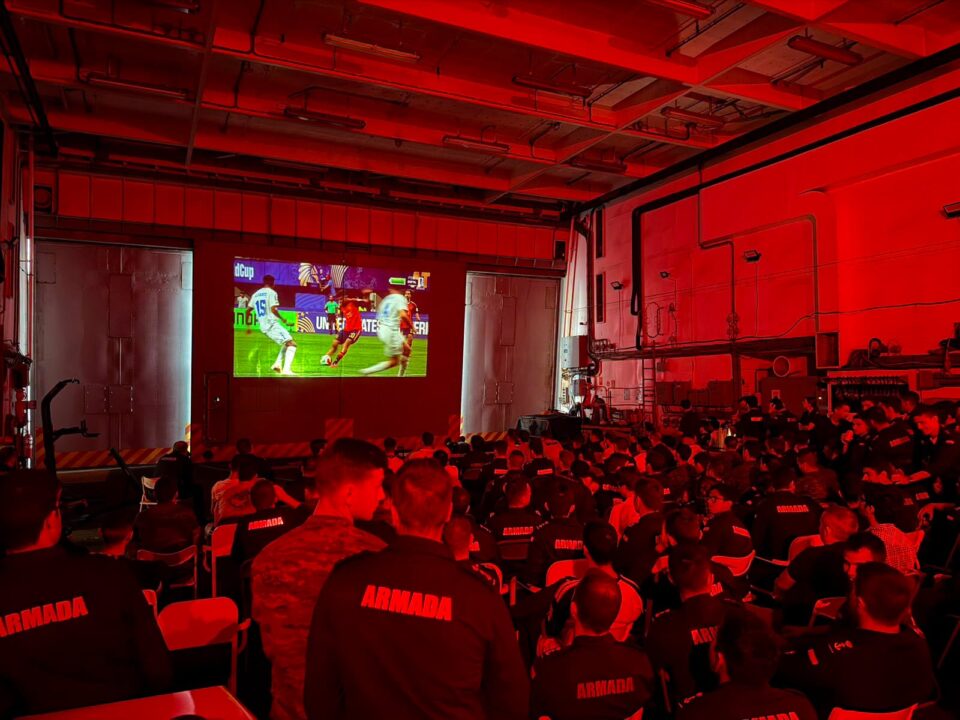
The time spent on board also provided an opportunity to spend leisure time with the crew and the students, enjoying the camaraderie that is so characteristic of life at sea. One highlight was watching the Spanish national team’s World Cup match together, which gathered most of the ship’s crew in the ship’s hangar.
Upon arriving in Cartagena, the faculty members completed the program with several professional visits of particular interest. They first toured the facilities of the Naval Special Warfare Force (FGNE), where they received a briefing on the unit’s organization, capabilities, and operational missions as the Spanish Navy’s special operations force.
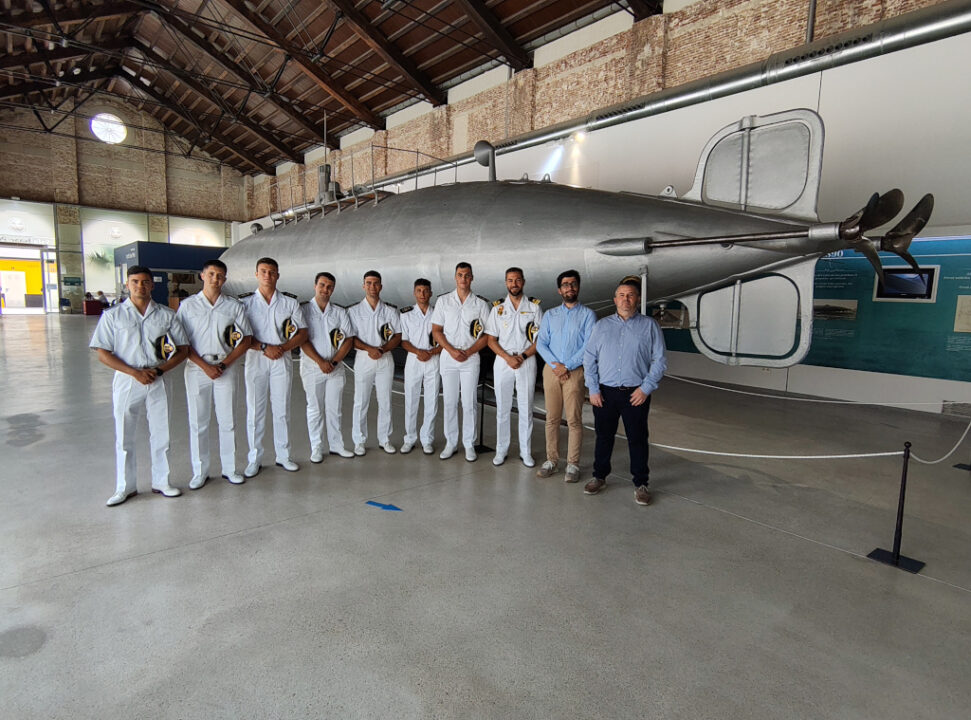
They then visited the Maritime Surveillance Operations Center (COVAM), where they learned about its capabilities for monitoring and controlling Spain’s maritime domain. The program concluded with a visit to the Cartagena Naval Museum, where the faculty toured its main exhibition galleries and gained further insight into key aspects of Spanish naval history.
The embarkation provided the faculty members with firsthand insight into the capabilities of the amphibious assault ship Galicia while strengthening their understanding of the Spanish Navy’s operational environment and the practical training received by students at the Spanish Naval Academy. The experience proved highly valuable in complementing the teaching activities carried out at the Defense University Center.